

Enhancing Vine Health: Tips for Optimal Fruit Quality
- lcviti
- Oct 9, 2025
- 4 min read
Growing healthy vines is essential for producing high-quality fruit. Whether you are a seasoned vineyard owner or a beginner gardener, understanding how to enhance vine health can significantly impact the quality of your grapes. In this post, we will explore practical tips and techniques to ensure your vines thrive, leading to delicious, high-quality fruit.
Vines are resilient plants, but they require specific care to reach their full potential. From soil health to pest management, every aspect of vine care plays a role in the overall health of the plant. Let’s dive into some effective strategies to enhance vine health and improve fruit quality.
Understanding Soil Health
Soil is the foundation of any healthy vine. The right soil conditions can make a significant difference in vine growth and fruit quality. Here are some key points to consider:
Soil Composition: Vines prefer well-draining soil with a good balance of sand, silt, and clay. Conduct a soil test to determine the pH and nutrient levels. Most vines thrive in slightly acidic to neutral pH levels (around 6.0 to 7.0).
Organic Matter: Adding organic matter, such as compost or well-rotted manure, can improve soil structure and fertility. This addition helps retain moisture and provides essential nutrients.
Mulching: Applying a layer of mulch around the base of the vines can help retain soil moisture, suppress weeds, and regulate soil temperature. Organic mulches, like wood chips or straw, are excellent choices.
Watering Wisely
Watering is crucial for vine health, but it must be done correctly. Overwatering or underwatering can lead to various issues, including root rot or stress. Here are some tips for effective watering:
Deep Watering: Vines prefer deep watering rather than frequent shallow watering. This encourages deep root growth, making the plant more resilient to drought.
Timing: Water early in the morning or late in the afternoon to minimize evaporation. Avoid watering during the hottest part of the day.
Monitoring: Check the soil moisture regularly. A simple way to do this is by sticking your finger into the soil or grab a spade or shovel and dig a quick hole within the rootzone.
Pruning for Health
Pruning is an essential practice for maintaining vine health and improving fruit quality. Proper pruning encourages airflow, sunlight penetration, and overall plant vigour. Here are some pruning tips:
Timing: Prune during the dormant season, typically in late winter or early spring before new growth begins. This timing helps minimize stress on the plant.
Techniques: Remove dead or diseased wood, as well as any overcrowded growth. Aim for an open canopy to allow sunlight to reach all parts of the vine.
Training: Train your vines to grow on a trellis or support system. This practice not only helps with airflow but also makes it easier to manage the vines.
Pest and Disease Management
Pests and diseases can threaten vine health and fruit quality. Implementing a proactive management plan is essential. Here are some strategies:
Regular Inspections: Check your vines regularly for signs of pests or diseases. Early detection is key to effective management.
Natural Predators: Encourage beneficial insects, such as ladybugs and lacewings, which can help control pest populations naturally.
Organic Treatments: If pests or diseases are detected, consider using organic treatments. Neem oil and insecticidal soap are effective options for managing common pests.
Fertilization for Optimal Growth
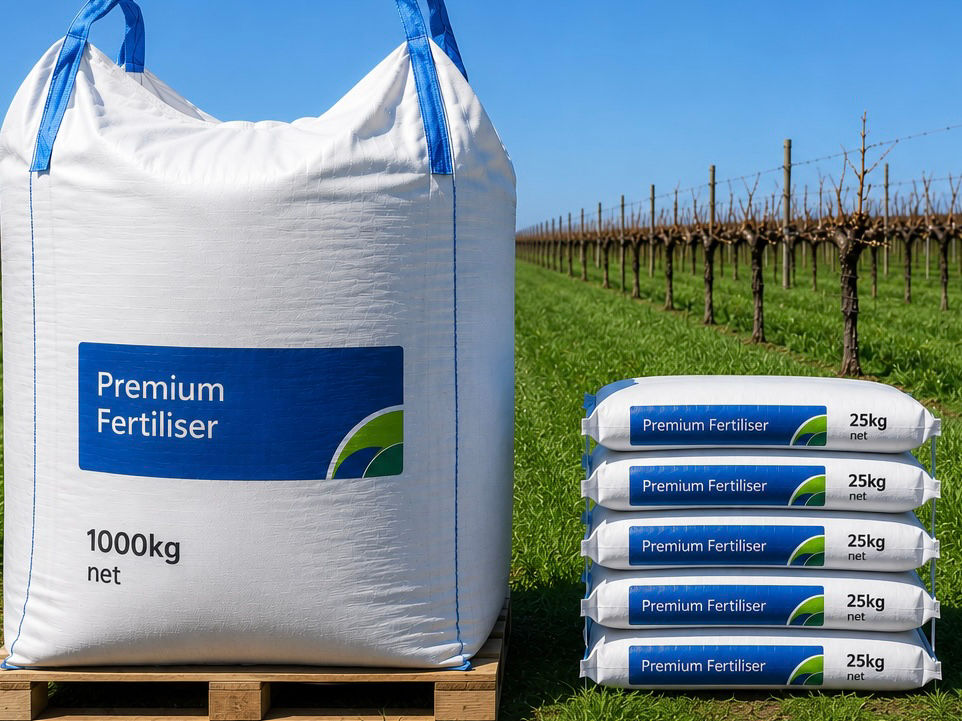
Fertilization plays a vital role in vine health and fruit quality. Providing the right nutrients can enhance growth and improve the flavor of the grapes. Here are some tips for effective fertilization:
Balanced Fertilizers: Use a balanced fertilizer that contains nitrogen, phosphorus, and potassium. These nutrients are essential for healthy vine growth and fruit development.
Timing: Fertilize depending on the outcomes that need to be achieved, this timing ensures that the vines have the nutrients they need during the growing season and are setup to provide a quality outcome.
Avoid Over-Fertilization: Too much fertilizer can lead to excessive foliage growth at the expense of fruit production. Recommended application rates vary greatly.
Sunlight Exposure
Vines thrive in sunlight, and proper exposure is crucial for fruit quality. Here are some tips to ensure your vines receive adequate sunlight:
Location: Plant your vines in a location that receives full sun for at least six to eight hours a day. Avoid shaded areas from trees or buildings.
Canopy Management: Regularly manage the canopy to ensure that sunlight reaches all parts of the vine. This practice can involve pruning and training the vines appropriately.
Spacing: Space your vines adequately to prevent overcrowding. This spacing allows for better airflow and sunlight penetration.
Harvesting at the Right Time
Harvesting grapes at the right time is crucial for optimal fruit quality. Here are some tips to ensure you pick your grapes at their peak:
Taste Testing: Regularly taste the grapes as they ripen. This practice helps you determine the best time for harvest based on flavor.
Sugar Levels: Use a refractometer to measure the sugar levels in the grapes. Most varieties are ready for harvest when sugar levels reach around 20-25%.
Visual Cues: Look for changes in color and firmness. Grapes should be plump and have a rich color when they are ready to be harvested.
Conclusion: Cultivating Success
Enhancing vine health is a rewarding journey that requires attention to detail and a commitment to best practices. By focusing on soil health, proper watering, effective pruning, pest management, and timely harvesting, you can significantly improve the quality of your fruit.
Remember, every vineyard is unique, and it may take time to find the perfect balance for your specific conditions. With patience and care, you will cultivate not only healthy vines but also delicious, high-quality fruit that you can be proud of.


Comments