

Key Nutrient Interactions in Viticulture Explained
- lcviti
- Oct 9, 2025
- 4 min read
Viticulture, the science of grape growing, is a complex and technical field. Understanding the interactions between nutrients is crucial for producing high-quality grapes. These interactions can significantly affect the health of the vines and the quality of the wine produced. In this post, we will explore the key nutrient interactions in viticulture, their importance, and how they can be managed effectively.
The Basics of Nutrient Interactions
Nutrient interactions refer to how different nutrients affect each other’s availability and uptake by plants. In viticulture, the primary nutrients include nitrogen, phosphorus, potassium, calcium, magnesium, and sulphur. Each of these nutrients plays a unique role in vine health and grape quality.
Nitrogen: The Building Block
Nitrogen is essential for vine growth. It is a key component of amino acids, which are the building blocks of proteins. Adequate nitrogen levels promote healthy leaf growth and overall vine vigour. However, too much nitrogen can lead to excessive vegetative growth at the expense of fruit development, leading to unbalanced vines and increased management costs.
Phosphorus: Energy Transfer
Phosphorus is vital for energy transfer within the plant. It plays a crucial role in photosynthesis and respiration. Phosphorus also supports root development, which is essential for nutrient uptake. A deficiency in phosphorus can lead to stunted growth and poor fruit set.
Potassium: Quality and Flavour
Potassium is important for grape quality. It helps regulate water uptake and is involved in the synthesis of sugars and acids in the grapes. Adequate potassium levels can enhance the flavour and colour of the wine. However, an excess of potassium can lead to imbalances in other nutrients, particularly magnesium.
Calcium and Magnesium: Structural Integrity
Calcium and magnesium are essential for maintaining cell structure and function. Calcium helps strengthen cell walls, while magnesium is a key component of chlorophyll. A deficiency in either can lead to poor vine health and reduced fruit quality.
The Interplay of Nutrients
Understanding how these nutrients interact is crucial for effective vineyard management. For example, an excess of nitrogen can inhibit the uptake of potassium and magnesium. This can lead to poor fruit quality and increased susceptibility to diseases.
Nitrogen and Potassium Interaction
High nitrogen levels can lead to increased potassium requirements. If potassium is not available, the vine may struggle to produce high-quality grapes. This interaction highlights the importance of balanced fertilization.
Phosphorus and Calcium Relationship
Phosphorus and calcium can also interact negatively. High levels of calcium can inhibit phosphorus uptake, leading to deficiencies. This is particularly important in soils with high calcium content.
Magnesium and Potassium Balance
Magnesium and potassium compete for uptake in the vine. An imbalance can lead to deficiencies in one or the other. For example, high potassium levels can inhibit magnesium uptake, leading to symptoms of magnesium deficiency, such as interveinal chlorosis.
Soil Testing and Nutrient Management
To manage these nutrient interactions effectively, soil testing is essential. Regular soil tests can help determine nutrient levels and guide fertilization practices.
Understanding Soil Composition
Soil composition varies widely across regions. Understanding the specific nutrient needs of your vineyard is crucial. For example, sandy soils may require different nutrient management strategies compared to clay soils.
Tailored Fertilization Practices
Based on soil test results, tailored fertilization practices can be implemented. This may include applying specific fertilizers to address deficiencies or imbalances.
Practical Tips for Vineyard Managers
Here are some practical tips for managing nutrient interactions in your vineyard:
Regular Soil Testing: Conduct soil tests at least once a year to monitor nutrient levels.
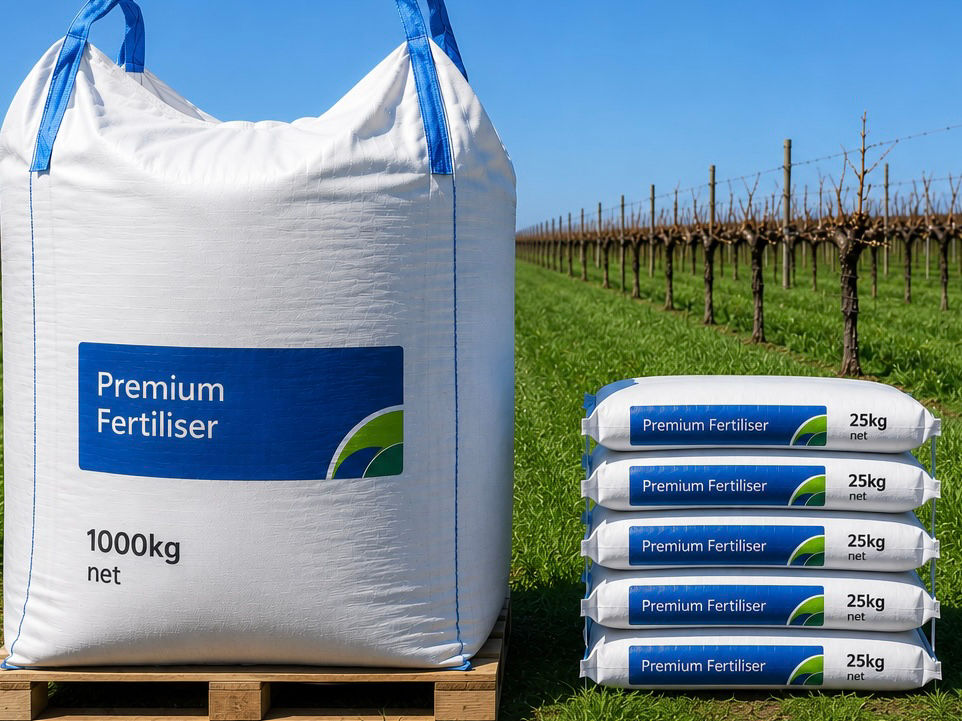
Balanced Fertilization: Use fertilizers that provide a balanced supply of nutrients, avoiding excessive applications of any single nutrient.
Monitor Vine Health: Regularly inspect vines for signs of nutrient deficiencies or imbalances.
Adjust Practices Based on Observations: Be prepared to adjust your fertilization practices based on vine health and soil test results.
The Role of Organic Matter
Incorporating organic matter into the soil can improve nutrient availability and soil structure. Organic matter helps retain moisture and provides a slow release of nutrients.
Benefits of Compost
Compost is an excellent source of organic matter. It can enhance soil fertility and improve the overall health of the vineyard. Regular applications of compost can help maintain a balanced nutrient profile.
Cover Crops
Planting cover crops can also benefit nutrient management. Cover crops can fix nitrogen in the soil and improve soil structure. They can also help prevent erosion and promote biodiversity in the vineyard.
Conclusion: Cultivating a Balanced Approach
Understanding nutrient interactions in viticulture is essential for producing high-quality grapes. By managing these interactions effectively, vineyard managers can enhance vine health and improve wine quality. Regular soil testing, balanced fertilization, and the incorporation of organic matter are key strategies for success.
By adopting a balanced approach to nutrient management, you can cultivate a thriving vineyard that produces exceptional grapes year after year. Remember, the health of your vines is directly linked to the nutrients they receive. Make informed decisions, and your vineyard will flourish.


Comments